

» Click here for a video version of this blog on our YouTube Channel «
If you’ve recently been told you need a root canal, there’s a good chance you have heard the opinions of others who have also had one done. With the amount of information available today, seeking out the experiences of others is easy to do. You may be wondering if a root canal is the best course of treatment for you.
Before you let someone else’s experience sway your decision, read this blog. Below, we’ll share a recent case, as well as common barriers to root canals, and our expert opinion based on more than 30 years in dentistry and backed by evidence-based medicine.
Our hope is that this information will help you make a calm, informed decision – not one driven by fear, misinformation, or short-term thinking.
Real-World Example: Tooth #19 and a Big Decision
We recently saw a patient in our dental practice who was in her early 20s and was told that she needed a root canal on her lower molar (tooth #19). The tooth had decay, but still had good bone support, strong roots and a significant amount of healthy tooth structure left.
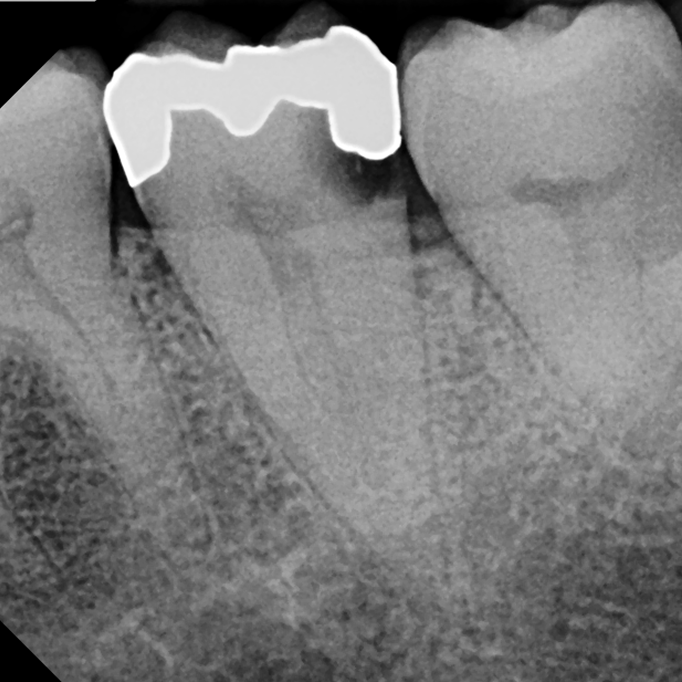
The first dentist she saw recommended a root canal and crown to save her tooth. After receiving the diagnosis, she immediately asked her friends and family what they thought. Two people close to her shared negative experiences with their root canals and recommended that she remove the tooth and be done with it.
When she came to our practice, she asked us point blank if she should remove the tooth or have a root canal. Together, we talked through her case, her dental history, and her dental goals and came to an agreement that we would save her tooth. Here’s why.
Saving a Tooth vs. Pulling a Tooth
While it may feel simpler and more “natural” to remove a problematic tooth, in most cases saving the tooth is the more conservative, holistic option. Saving the tooth gives us more options down the road if something were to happen to this tooth again. We like to say that each tooth has five lives: (1) a filling, (2) a larger filling, (3) a root canal, (4) a crown, (5) a second root canal. After this, a tooth will likely need to be removed and replaced with an implant. However, if we jump ahead and do an implant too early, we are taking away other options down the road.
Why it’s best to save a tooth
When you save a tooth with a root canal and crown, you are keeping the natural root and bone structure. Meaning, most of your natural tooth is still intact. There is nothing stronger or more holistic than your natural tooth structure. You may think that removing a tooth is a simpler option, but it is a major surgical procedure that removes tooth and bone. This can result in several other issues that can have a domino effect on your dental health.
What happens when you extract a tooth too early
If you choose extraction, here’s what typically happens over time:
- The jawbone shrinks to fill where the tooth used to be.
- The neighboring teeth start to tilt into the emptying space and cause crowding.
- The opposing tooth (the one that used to bite against it) may over-erupt and start to drop down into the space.
- The longer this space is left unfilled, the more likely you are to have these issues. If down the road you choose to address this space, the restoration becomes more complicated, less predictable and more expensive.
What seems like a “simple” solution (extraction) can turn into years of orthodontics, bone grafting, and implant work down the road.
Common Barriers to Getting a Root Canal
Still, there are several barriers that keep patients from getting a root canal – even when it’s the best option.
Fear of the Procedure.
- Just think of all the times you’ve heard someone say, “I’d rather have a root canal, than do xyz…”. Root canals have a bad reputation. However, when done properly root canals should not be painful. Your dentist is focused on keeping you comfortable and pain free. Oftentimes, a root canal is no more painful than a common filling.
- If you’ve heard someone say their root canal was painful, that was likely a more complicated case where they waited too long and the infection and pain were already severe. With proper timing and anesthetic technique, a root canal should not be a painful experience.
Internet Misinformation.
- With the amount of information available today, you can find almost anything online – especially if you are looking for it. If you believe root canals are toxic, dangerous and bad for your health, you can find other people who agree with you. But that does not mean this information is backed my science and evidence-based medicine. We’ve done a previous blog on this misinformation.
- In our practice, we are very conscious of what we put in our bodies and our patients’ bodies. We always choose materials that are biocompatible. Over decades of practice, we have not seen any evidence to suggest that root canals are bad for you. What we have seen is that root canals that are not done properly can cause issues down the road. And leaving an infection untreated can cause other health issues.
Concerns about Cost.
- Money is a very real barrier to having dental work done, especially for younger patients. At first glance, an extraction may seem like the cheaper option. But once the tooth is removed you face the question of how you will replace it. The most common recommendation is a dental implant, which is five times more expensive than a root canal. The longer you wait to address the space, the more invasive and expensive this procedure will be.
Stories from Others.
- One of the most powerful barriers to root canals isn’t the data or science, it’s the stories patients hear from other people. It’s the parent who “wasted money” on a root canal that failed. Or a friend who had a terrible, painful experience. Or a social media thread saying root canals are bad for your health. These stories matter because they come from people you trust. But they may not match your specific case, your dental history, or your dentist’s expertise.
- One person’s difficult root canal doesn’t mean your case will be the same. Your case deserves its own evaluation to determine the best outcome for you.
So… Should You Get a Root Canal?
According to dental literature, root canals are 93% effective – meaning only 7 out of 100 will fail over a five-year period. Those odds are very good. If you’ve been told you need a root canal and you’re scared, skeptical, or overwhelmed, it’s important you have an honest conversation with your dentist.
If you are unsure of your dentist’s experience or opinion, find a dentist you trust who cares about your overall health and long-term dental health. Then, share your concerns and ask about your specific case. Our practice prides itself on working alongside patients to educate them and make decisions that are best for them. Our hope is that you will never regret the decisions you make, because they are well-thought out and backed by evidence.
In need of a root canal? Call our office to schedule an appointment with our experienced team of dentists at 813-689-4226 or schedule an appointment online.